
Hi, this is Jiro.
A gardener planted a young tree in my garden and advised me to water it slowly, little by little. Otherwise, he said, the water would not reach the thirsty young roots.
I did as I was told for about a week. Then one day, no matter how carefully I watered it, the water refused to soak into the ground.
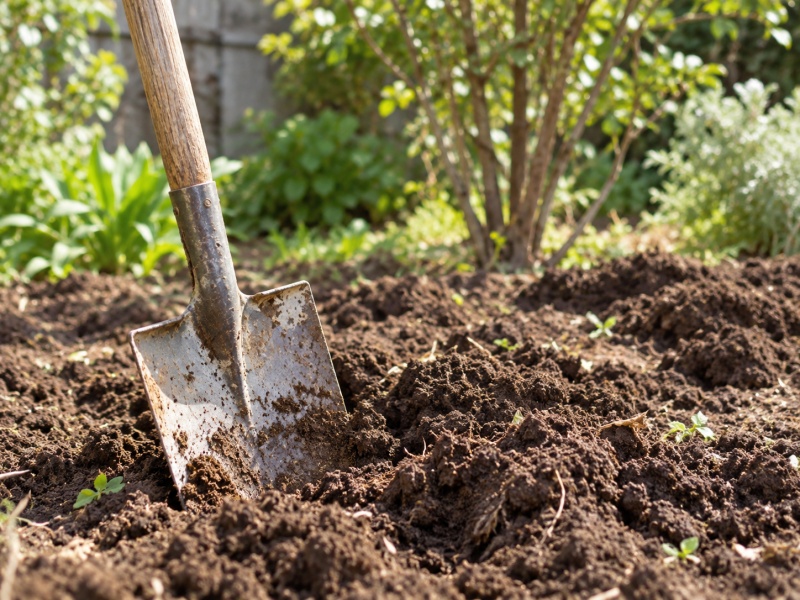
Acting on a hunch, I put a good amount of soil around the spot where the newly planted tree disappeared into the ground, and tried watering it again.
All right! The water slowly seeped into the mound of earth. I could almost visualize it being absorbed by the thirsty young roots underground.
I couldn’t help wondering at the almost magical power of earth. At the same time, I felt a strong urge to do some research on “soil”—the hidden but no less important stage on which gardening takes place.
So I did some digging.
And I dug out some amazing relationships between words across time.
◯ The hypothetical Indo-European root sed-, meaning “to sit,” lies far back in the history of soil, though there is a lot of etymological coming and going in between.
◯ The same root sed- is also related to such familiar words as sit, seat, and set.
◯ It even turns up, by a much more winding route, in possess. Far back in its history is the idea of “sitting upon” or occupying something. In a sense, if you can sit on it, it is yours!
◯
A gardener planted a young tree in my garden and advised me to water it slowly, little by little. Otherwise, he said, the water would not reach the thirsty young roots.
I did as I was told for about a week. Then one day, no matter how carefully I watered it, the water refused to soak into the ground.
Acting on a hunch, I put a good amount of soil around the spot where the newly planted tree disappeared into the ground, and tried watering it again.
All right! The water slowly seeped into the mound of earth. I could almost visualize it being absorbed by the thirsty young roots underground.
I couldn’t help wondering at the almost magical power of earth. At the same time, I felt a strong urge to do some research on “soil”—the hidden but no less important stage on which gardening takes place.
So I did some digging.
And I dug out some amazing relationships between words across time.
◯ The hypothetical Indo-European root sed-, meaning “to sit,” lies far back in the history of soil, though there is a lot of etymological coming and going in between.
◯ The same root sed- is also related to such familiar words as sit, seat, and set.
◯ It even turns up, by a much more winding route, in possess. Far back in its history is the idea of “sitting upon” or occupying something. In a sense, if you can sit on it, it is yours!
◯ Then there is assess. Its ancestor meant something like “to sit facing” something.
From sitting facing something, we eventually get the modern idea of assessing its value.
And, amazingly, size is a distant relative too. The original form is said to have been very similar to assess. Over centuries of linguistic changes, the word was cut down until only the part representing SED remained, finally to become size.
All this made me curious about what soil itself would look like on the scale of Mother Earth.
What I found was surprising.
On the scale of the Earth, soil is indeed only a thin “membrane” covering part of its surface. Compared with rocks, it is a transient, ever-changing thing—formed, moved, eroded, and formed again. And yet this fragile layer is fertile enough to support plants, agriculture, and much of human life.
That amazes me.
I dug into the ground and found a rich world of words around soil.
The soil turned out to be rich linguistically, too.
Learning languages is full of surprises, isn’t it?
Happy English learning!
All this made me curious about what soil itself would look like on the scale of Mother Earth.
What I found was surprising.
On the scale of the Earth, soil is indeed only a thin “membrane” covering part of its surface. Compared with rocks, it is a transient, ever-changing thing—formed, moved, eroded, and formed again. And yet this fragile layer is fertile enough to support plants, agriculture, and much of human life.
That amazes me.
I dug into the ground and found a rich world of words around soil.
The soil turned out to be rich linguistically, too.
Learning languages is full of surprises, isn’t it?
Happy English learning!

私立学校に英語教師として勤務中、40代半ばに差し掛かったころ、荒れたクラスを立て直す策として、生徒に公言して英検1級に挑戦することを思い立つ。同様の挑戦を繰り返し、退職までに英検一級(検定連合会長賞)、TOEIC満点、国連英検SA級、フランス語一級、スペイン語一級(文科大臣賞)、ドイツ語一級、放送大学大学院修士号などの成果を得る。
アメリカで生徒への対応法を学ぶ為に研修(地銀の助成金)。最新の心理学に触れた。4都県での全発表、勤務校での教員への研修を英語で行う。現在も特別選抜クラスの授業を全て英語で行っている。「どうやって単語を覚えればいいですか?」という良くある質問に答える為、印欧祖語からの派生に基づく「生徒には見せたくない語源英単語集」を執筆中。完成間近。常日頃洋書の読破で様々な思考にふれているが、そうして得た発想の一つを生かして書いた論文がコロナ対策論文として最近入賞。賞品の牛肉に舌鼓をうっている。元英検面接委員