
Hi, this is Jiro.
Try to be active—not passive—in conversation.
For Japanese learners of English, that alone is already a practical and realistic goal.
Here’s why.
In any conversation, people take turns. Some turns are active—you take the initiative. Others are passive—you respond.
In a passive turn, you have to:
- listen carefully and understand what the other person says
- know several ways to respond
- actually respond in real time
These are high hurdles for many Japanese learners:
① You don’t have enough exposure to naturally spoken English.
② It’s hard to learn how to respond just by reading.
③ You have few chances to actually speak.
Now compare this with an active turn.
In an active turn, you only have to say what you want to say.
To be active in conversation, you need a bit of courage to:
・interrupt (politely) with your comments or reactions
・keep the conversation going as if it were your turn
・ask questions instead of waiting to answer them
・use simple questions—any questions—to stay in control
・be a “bad” conversationalist for a while
Does that sound difficult?
Actually, here’s some reassuring news.
Fast turn-taking is something Japanese speakers are already very good at—perhaps among the best in the world.
Researchers have measured the pauses between speakers in conversations across languages.
The longest pauses were found in Danish: about 0.47 seconds.
English averages around 0.2 seconds.
And Japanese?
About 0.007 seconds—one of the fastest in the world.
If these figures are accurate, Japanese speakers are used to switching turns extremely quickly—far faster than English speakers.
In other words, you already have the instinct for rapid, dynamic conversation.
You just need to use it in English.
In short:
You may have been aiming too high.
A “good conversation”—where both people take turns equally—is a high bar.
That’s why you keep getting stuck.
Start lower.
Even a “bad” conversation—where you do most of the talking—is still a success.
And small successes lead to bigger ones.
So—dare to take the lead.
Am I aiming low enough, or still too high?
Any way、 good luck!
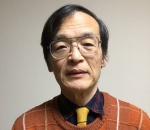
私立学校に英語教師として勤務中、40代半ばに差し掛かったころ、荒れたクラスを立て直す策として、生徒に公言して英検1級に挑戦することを思い立つ。同様の挑戦を繰り返し、退職までに英検一級(検定連合会長賞)、TOEIC満点、国連英検SA級、フランス語一級、スペイン語一級(文科大臣賞)、ドイツ語一級、放送大学大学院修士号などの成果を得る。
アメリカで生徒への対応法を学ぶ為に研修(地銀の助成金)。最新の心理学に触れた。4都県での全発表、勤務校での教員への研修を英語で行う。現在も特別選抜クラスの授業を全て英語で行っている。「どうやって単語を覚えればいいですか?」という良くある質問に答える為、印欧祖語からの派生に基づく「生徒には見せたくない語源英単語集」を執筆中。完成間近。常日頃洋書の読破で様々な思考にふれているが、そうして得た発想の一つを生かして書いた論文がコロナ対策論文として最近入賞。賞品の牛肉に舌鼓をうっている。元英検面接委員