

Hi, this is Jiro.
Recently my motorbike was stolen.
I had parked it in a parking lot and left to do some shopping. When I came back, it was gone. Only then did I remember that I had forgotten to lock it.
Of course I was upset. But the incident made me think about something interesting: how different languages describe unpleasant events.
In English you say simply:
My motorbike was stolen.
But in Japanese we usually say:
私はバイクを盗まれた。
This Japanese expression focuses on the person who suffers the experience. In a very literal sense, it is something like:
I suffered from my motorbike being stolen.
Another example is when a pet dies. In Japanese one might say:
私はペットに死なれた。
Again, the feeling is that the speaker was affected by the event.
Because of this difference, Japanese learners of English sometimes make sentences like these:
✗ I was stolen my motorbike.
✗ I was died my pet.
These sound strange in English because English usually focuses on the thing that happened, not on the experiencer.
So English prefers:
My motorbike was stolen.
My pet died.
Sometimes learners go too far the other way. Instead of saying:
I was robbed of my bag.
they say:
✗ My bag was robbed.
One way to understand this difference is to notice how the two languages often view events.
Japanese often describes events as something that becomes or happens naturally (~なる).
English more often describes them as something done by someone (~する).
For example:
English:
She will make a good wife.
Japanese thinking is closer to:
She will become a good wife.
So, strangely enough, my stolen motorbike gave me a small linguistic discovery. The same event can be described in two different ways—depending on whether you are looking at the world through English or through Japanese.
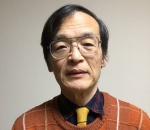
私立学校に英語教師として勤務中、40代半ばに差し掛かったころ、荒れたクラスを立て直す策として、生徒に公言して英検1級に挑戦することを思い立つ。同様の挑戦を繰り返し、退職までに英検一級(検定連合会長賞)、TOEIC満点、国連英検SA級、フランス語一級、スペイン語一級(文科大臣賞)、ドイツ語一級、放送大学大学院修士号などの成果を得る。
アメリカで生徒への対応法を学ぶ為に研修(地銀の助成金)。最新の心理学に触れた。4都県での全発表、勤務校での教員への研修を英語で行う。現在も特別選抜クラスの授業を全て英語で行っている。「どうやって単語を覚えればいいですか?」という良くある質問に答える為、印欧祖語からの派生に基づく「生徒には見せたくない語源英単語集」を執筆中。完成間近。常日頃洋書の読破で様々な思考にふれているが、そうして得た発想の一つを生かして書いた論文がコロナ対策論文として最近入賞。賞品の牛肉に舌鼓をうっている。元英検面接委員