
Hi, this is Jiro.
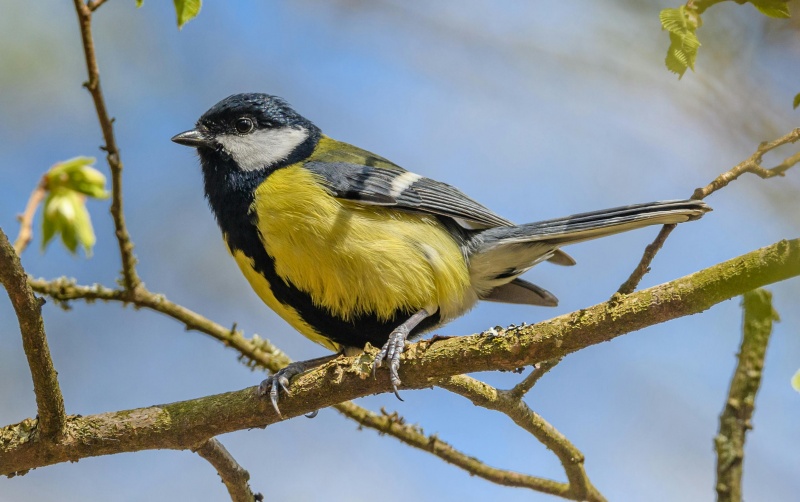
Recently, I was very very surprised to watch ‘’Here comes Darwin!’’ (ダーウィンが来た),an NHK TV program, where a Japanese scientist Toshitaka Suzuki reportedly discovered that some birds have a language in the true sense of the word for the first time in the world.
I couldn’t help but remember telling my students that animals had no language at all, humans being the only creatures that do.
Shortly after that, in 2023 Suzuki got a position in prestigious Tokyo University, establishing Animal linguistics, invited as a guest speaker at International Animal Behavior Science Convention, admired and shown respect to by a long line of scientists.
Thus my conviction that human beings are not the only creature with a language had become so strong as to leave no
room for doubt.

imagine my greater surprise in 2024 when, looking for teaching materials for a few students I would give private lessons to, I came across an entrance exam of Tokyo University where was used an English scientific paper insisting that human beings ARE the only creature with a language, and that in 2024(I repeat)one year after Suzuki established Animal linguistics in
the very University that gave this anachronistic exam to all the aspirants.
To cite from the exam in question:The aspects of human life that make our species unique depend …. on the special human ability to use language. …only humans have languages in the strict sense…
What’s going on, I wondered? Is there no respect to those young people who, looking up to Tokyo University, must have worked so hard for the once in-a-year exam? I couldn’t help but resent this gross oversight or indifference.
There have been problematic exam questions before. For example:
「私は生まれも育ちも埼玉ばあさんです」Saitama University
(I was born and raised in Saitama, and now am flourishing as Saitama Grandma.)
「美人は早く死ぬ。そうでない人は長生きすべき」Nara Women University
(Beauties die young. Those who are otherwise are wise to live long.)
This time, however, the implication far exceeds preceding cases, I think, in scale and… in humor as well, for, this year, Tokyo University asked this:Write in English,
what does it mean to be strong? in 60–80 words.
Thinking highly of this question as it encourages deep and creative thinking on the part of examinees, is this because Todai is sorry about what it did the preceding year and trying to make it up with this good question this year, I said to myself?
I will let you know if I ever find anything interesting again.
私立学校に英語教師として勤務中、40代半ばに差し掛かったころ、荒れたクラスを立て直す策として、生徒に公言して英検1級に挑戦することを思い立つ。同様の挑戦を繰り返し、退職までに英検一級(検定連合会長賞)、TOEIC満点、国連英検SA級、フランス語一級、スペイン語一級(文科大臣賞)、ドイツ語一級、放送大学大学院修士号などの成果を得る。
アメリカで生徒への対応法を学ぶ為に研修(地銀の助成金)。最新の心理学に触れた。4都県での全発表、勤務校での教員への研修を英語で行う。現在も特別選抜クラスの授業を全て英語で行っている。「どうやって単語を覚えればいいですか?」という良くある質問に答える為、印欧祖語からの派生に基づく「生徒には見せたくない語源英単語集」を執筆中。完成間近。常日頃洋書の読破で様々な思考にふれているが、そうして得た発想の一つを生かして書いた論文がコロナ対策論文として最近入賞。賞品の牛肉に舌鼓をうっている。元英検面接委員