

日本語訳はこちらから
↓ ↓ ↓

Hi!
This is Jiro.
Quiz Time!
Which sentence is correct?
① The boy is swimming in the pool.
② The boy swimming in the pool.
The answer is ①.
This looks easy, right? Most Japanese junior high school students choose the correct answer. But something strange happens. After they study English for a longer time, MORE students start to choose ②! Why does this happen?
Two Reasons for This Mistake
Reason 1 : Japanese and English are very different
In Japanese, the verb comes at the end. Sometimes we can drop it completely. For example:
・これは本です (This is a book)
・これは本 (This book)
Both mean almost the same thing!
Later, students learn sentences like “The boy swimming in the pool is John.” Here,
“swimming in the pool” describes the boy. But some students start thinking they can use “swimming” as the main verb without “is.” They think “The boy swimming in the pool” = “The boy IS swimming in the pool.” But this is wrong!
Reason 2 : Confusing two different tenses
Many Japanese learners don’t understand the difference between:
・He swims (simple present)
・He is swimming (present progressive)
“He swims every day in summer” = This is his habit. Maybe he is NOT swimming right now.
“He is swimming in the pool right now” = This is happening NOW. But maybe he doesn’t swim on other days.
These two sentences tell us different things!
What Can You Do? Three Steps
Step 1: Make pictures in your mind
Don’t translate! Make mental images instead.
・”He swims every day” → Picture: A person going to the pool every day. See a calendar showing many days.
・”He is swimming right now” → Picture: A person in the water, swimming at this moment.
Step 2 : Read aloud many times
Say the sentences again and again. This helps your body “feel” the English. It’s more fun than you think!
Step 3 : For adult learners
Adults have two advantages:
- You can understand logical explanations (like the grammar I explained above)
- You can also learn like a young student (making pictures, reading aloud)
Use BOTH ways!
Final Message
These mistakes don’t mean Japanese learners are not smart. These mistakes happen because Japanese and English are different languages. Understanding WHY you make mistakes helps you fix them!
Good luck and enjoy learning English!
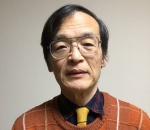
私立学校に英語教師として勤務中、40代半ばに差し掛かったころ、荒れたクラスを立て直す策として、生徒に公言して英検1級に挑戦することを思い立つ。同様の挑戦を繰り返し、退職までに英検一級(検定連合会長賞)、TOEIC満点、国連英検SA級、フランス語一級、スペイン語一級(文科大臣賞)、ドイツ語一級、放送大学大学院修士号などの成果を得る。
アメリカで生徒への対応法を学ぶ為に研修(地銀の助成金)。最新の心理学に触れた。4都県での全発表、勤務校での教員への研修を英語で行う。現在も特別選抜クラスの授業を全て英語で行っている。「どうやって単語を覚えればいいですか?」という良くある質問に答える為、印欧祖語からの派生に基づく「生徒には見せたくない語源英単語集」を執筆中。完成間近。常日頃洋書の読破で様々な思考にふれているが、そうして得た発想の一つを生かして書いた論文がコロナ対策論文として最近入賞。賞品の牛肉に舌鼓をうっている。元英検面接委員