Hi, this is Jiro.
Recently, I read a fascinating book called A Myriad of Tongues. It offered me a completely new way of looking at the world around us, and I’d like to share one especially eye-opening idea with you.
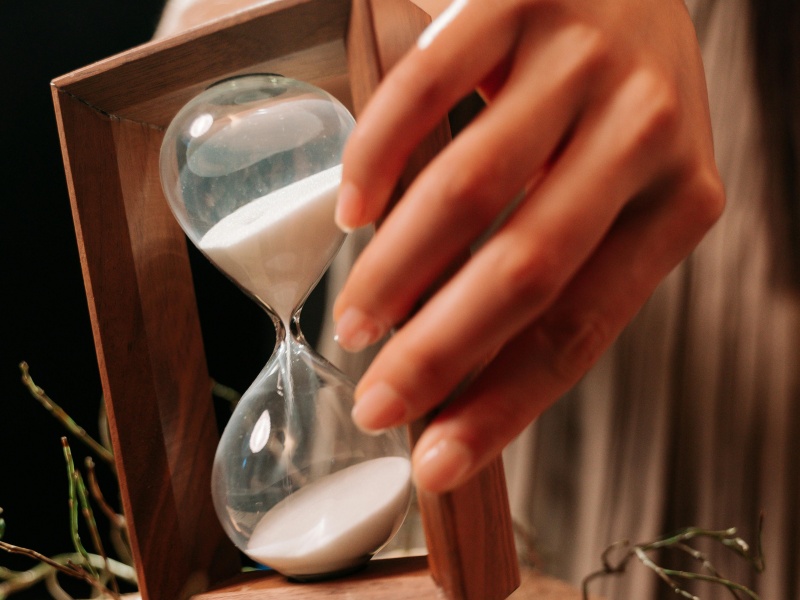
Where Are the Past and the Future?
On which side of your body do you imagine the past and the future?
Most of us would probably say that the past lies behind us and the future stretches out in front of us. It feels so natural that we rarely question it.
I, too, had always assumed that this was simply the way things are.
That is why I was so surprised to learn that the Aymara people, who live in the Andes of South America, have an exactly opposite image of time: for them, the past is in front of us, and the future is behind us.
At first, this seemed almost impossible to understand.
Why the Past Is in Front
The explanation, however, is very simple.
The past is known. We can “see” it clearly because we have already experienced it.
The future, on the other hand, is unknown. Since we cannot see it, it lies behind us.
Once you hear it explained this way, the Aymara view begins to seem surprisingly reasonable.
The author also notes that several languages in the Tibeto-Burman family show similar patterns, suggesting that this way of thinking is not unique to the Aymara.
Looking Forward—All the Time?
These days, we are often encouraged to “look forward, not backward.”
That sounds positive, of course. But isn’t it also a little exhausting?
The future is invisible. No one can truly foresee it.
And trying too hard to peer into what cannot be seen may only create anxiety and frustration.
So perhaps it is worth looking back from time to time—not to dwell on regrets, but to remind ourselves that we have already traveled a considerable distance.
The past is familiar territory. It is solid ground beneath our feet, a place where we can stop and catch our breath before moving on.
A Small Experiment
Hikers sometimes say that walking backward for a few steps on a mountain trail can feel surprisingly refreshing.
Perhaps it uses different muscles.
Perhaps the sudden change of perspective wakes us up.
Whatever the reason, the experience can freshen you up.
In the same way, taking a brief glance backward in life may help us get back our balance and appreciate how far we have come.
One Important Warning
If you decide to walk backward literally, make sure the path is wide and completely safe.
Otherwise, you might fall off a cliff.
Don’t say I didn’t warn you!
私立学校に英語教師として勤務中、40代半ばに差し掛かったころ、荒れたクラスを立て直す策として、生徒に公言して英検1級に挑戦することを思い立つ。同様の挑戦を繰り返し、退職までに英検一級(検定連合会長賞)、TOEIC満点、国連英検SA級、フランス語一級、スペイン語一級(文科大臣賞)、ドイツ語一級、放送大学大学院修士号などの成果を得る。
アメリカで生徒への対応法を学ぶ為に研修(地銀の助成金)。最新の心理学に触れた。4都県での全発表、勤務校での教員への研修を英語で行う。現在も特別選抜クラスの授業を全て英語で行っている。「どうやって単語を覚えればいいですか?」という良くある質問に答える為、印欧祖語からの派生に基づく「生徒には見せたくない語源英単語集」を執筆中。完成間近。常日頃洋書の読破で様々な思考にふれているが、そうして得た発想の一つを生かして書いた論文がコロナ対策論文として最近入賞。賞品の牛肉に舌鼓をうっている。元英検面接委員